Call Experts for Baby Raccoon Removal in Attic
Who do I call if there are baby raccoons in my attic?
If you discover baby raccoons in your attic, you should immediately call a licensed wildlife removal professional, such as BirdDog Wildlife Removal Services. Do not call city animal control, as they typically only handle domestic animals or immediate public safety threats, not wildlife nesting inside private homes.
Discovering a raccoon family above your ceiling can be alarming, as these nocturnal creatures often go unnoticed until they cause significant noise or structural damage. Because mother raccoons are fiercely protective, attempting to remove them yourself is dangerous and frequently violates local wildlife protection laws. A professional wildlife removal service has the training to manage the situation safely and humanely, ensuring compliance with state regulations while prioritizing the well-being of both your family and the animals.
Why Are There Baby Raccoons in My Attic?
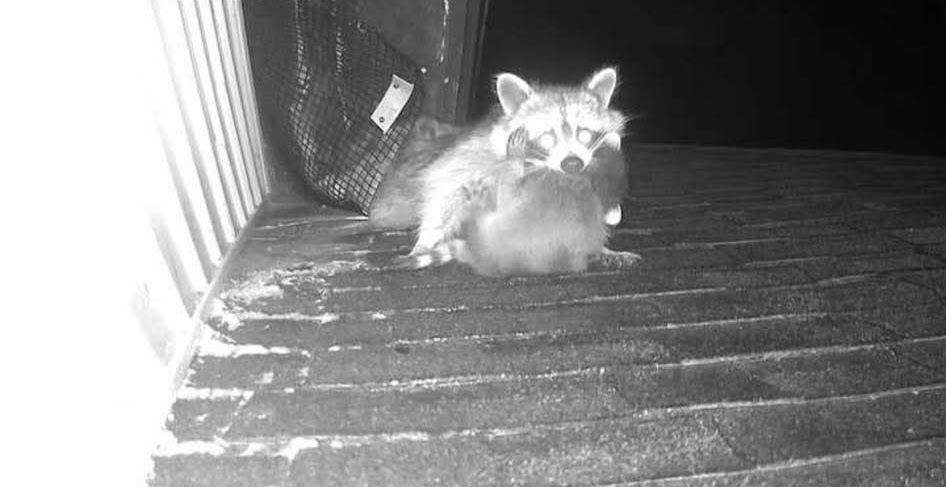
Raccoons are clever creatures seeking warmth and safety. Attics provide an ideal location for shelter, especially during spring and summer. These seasons coincide with the birth period for baby raccoons, also known as kits.
Attics offer protection from predators and harsh weather. Thus, mother raccoons
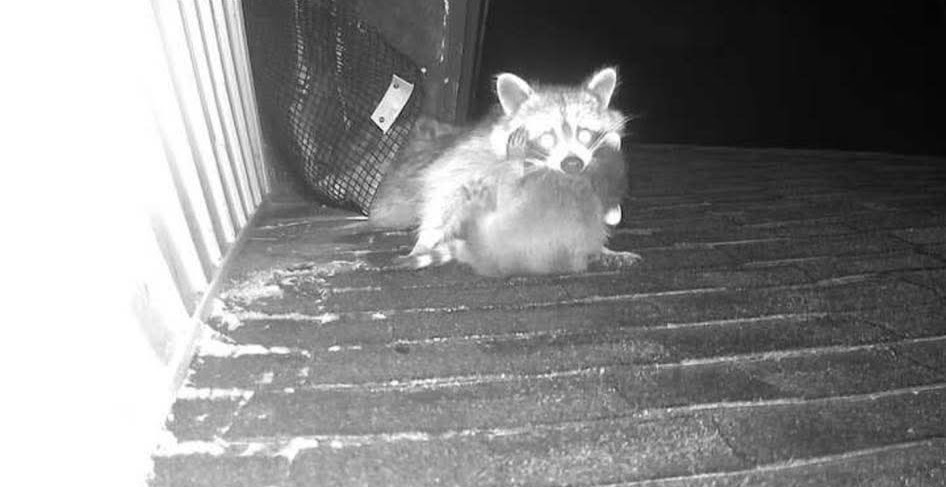
choose them as nesting sites. The temperature in attics helps keep the kits warm, which is crucial for their early survival.
Kits rely heavily on their mothers during the first few months. They are most often born in litters of two to five kits. If you hear strange noises in your attic, they might be the playful sounds of these young raccoons.
Common reasons attics attract raccoons include:
Easy access through vents or damaged roofs
Proximity to food sources
Isolation from human activity
Discovering them early can prevent more significant issues. Understanding why they are there is the first step to addressing the situation.
Dangers and Risks of Raccoons in the Attic
Raccoons in attics can pose several health and safety risks. These animals are capable of spreading diseases through their droppings and urine. Rabies is a significant concern, though rare, but raccoons can also carry parasites like fleas and ticks.
Raccoons are known for causing structural damage. They often tear through insulation, chew on electrical wires, and create entry holes. This damage not only leads to costly repairs but can also pose fire hazards due to exposed wiring.
In addition to health and structural risks, raccoons can attract other pests. The smell of their waste and food residues might invite insects or rodents. The presence of these pests compounds potential damage and health issues.
Here are some key dangers raccoons might cause:
Health risks from diseases and parasites
Structural damage, including to wiring and insulation
Attraction of other pests due to odors and debris
Responding promptly to these risks can mitigate long-term damage and health problems. Addressing the root of the issue is crucial for safety.
Legal and Ethical Considerations for Baby Raccoon Removal
Before attempting any raccoon removal, it's important to understand the legal implications. In many regions, handling or relocating wildlife without a permit is illegal. These regulations help protect wildlife populations and ensure humane treatment.
Ethical considerations are equally important. Baby raccoons, known as kits, depend on their mother for survival. Separating them prematurely can cause distress and harm. Humane practices prioritize family groups staying together until it's safe for them to leave.
Here are key points to consider legally and ethically:
Obtain necessary permits and comply with local regulations.
Use humane methods to preserve raccoon family units.
Avoid harming the animals during the removal process.
Understanding these aspects ensures a responsible and compassionate approach to wildlife control. Always prioritize professional assistance to guarantee compliance and humane treatment.
Who Should You Call for Baby Raccoon Removal?
Discovering baby raccoons in your attic can be unsettling, but it's important to remain calm. The first step is identifying the right professionals to handle the situation. Wildlife removal experts are trained to deal with such scenarios safely and humanely.
Choosing a licensed and insured wildlife removal service is crucial. These professionals have the expertise to handle raccoons without causing harm to the animals or your property. They can also provide valuable guidance on preventing future infestations.
If you’re looking for help from a nuisance wildlife removal service, Birddog Wildlife Control’s raccoon removal service can walk you through inspection, humane removal, and prevention steps for your home.
When selecting a service, it's beneficial to ask specific questions. Ensure they use humane removal techniques and have experience with raccoons specifically. Reviews and testimonials from previous clients can also offer insight into their reliability.
Here are some questions to consider when contacting a wildlife removal service:
Are they licensed and insured?
What methods do they use for removal?
Do they offer guarantees for their work?
By choosing a competent removal service, you not only solve the immediate problem but also ensure lasting peace of mind. Professional assistance can make all the difference, ensuring safe and effective resolution of your raccoon issues.
What to Expect from Professional Wildlife Removal Services
When you hire professional wildlife removal services, a thorough inspection of your attic is typically the first step. Experts will assess the extent of the raccoon presence and identify how they entered. This evaluation helps them plan an effective removal strategy tailored to your specific situation.
These specialists will employ humane removal techniques, ensuring the safety of both the raccoons and your home. They often use exclusion devices or one-way doors, allowing raccoons to exit but not re-enter. It's a compassionate approach that respects wildlife conservation laws.
Professional services go beyond removal; they also provide follow-up care. This includes sealing any entry points and offering advice on long-term prevention. Their comprehensive approach aims to prevent future infestations.
Typically, a professional wildlife removal service will offer:
Detailed inspection of your attic.
Use of humane removal methods.
Sealing of entry points.
Guidance on prevention strategies.
By understanding what to expect, you can be prepared and ensure that the service you choose meets your needs. The peace of mind that professionals provide is invaluable when dealing with wildlife issues in your home.
Humane Removal Methods for Baby Raccoons
Removing baby raccoons from your attic requires gentle and ethical methods. Professionals prioritize the safety of both the animals and the property. One common approach includes the use of one-way doors. These devices allow raccoons to leave but prevent them from getting back inside.
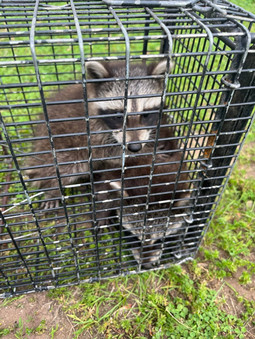
Temporary reunion sites can also be set up outside. These areas provide a safe place for the mother raccoon to relocate her young. This ensures that the mother can continue to care for her kits without harm.
In some situations, live traps may be used. However, this method requires careful handling to ensure the animals' well-being. Professionals often coordinate with wildlife rehabilitators to handle baby raccoons if necessary. The primary goal is always a humane and effective solution.
Humane removal methods typically include:
One-way doors
Temporary reunion sites
Live traps with rehabilitation
These strategies emphasize compassion and compliance with local wildlife laws. It's essential to avoid any methods that could distress or harm the animals.
What NOT to Do: Common Mistakes to Avoid
When dealing with raccoons in the attic, avoid handling them yourself. This poses health risks, including possible bites and disease transmission.
Never attempt to separate baby raccoons from their mother. The mother is crucial for their survival, and separation can be fatal to the young.
Avoid using toxic chemicals or traps meant for extermination. These methods are not only inhumane but may also be illegal.
Common mistakes to avoid:
Handling raccoons without professional help
Separating mother from kits
Using poisons or lethal traps
These actions can lead to legal issues and cause more problems than solutions. Always opt for professional and humane removal methods.
After Removal: Cleaning, Repairs, and Prevention
After removing raccoons from your attic, thorough cleaning is necessary. Leftover droppings and nesting materials pose health risks and attract other pests.
A professional cleaning service can handle sanitation effectively. They use specialized tools and disinfectants to eliminate any contaminants.
Repairing any structural damage is crucial to prevent re-entry. Look for signs of torn insulation, chewed wiring, or damaged shingles.
List of potential damage areas:
Roof vents and chimneys
Attic insulation
Electrical wiring
Preventative measures are essential after repairs. Seal all potential entry points to keep raccoons and other wildlife out.
Maintain your home by trimming trees and securing trash cans. Consult with wildlife control experts for ongoing prevention strategies.
Regularly checking your attic will help detect signs of wildlife early. This proactive approach can save time and prevent future infestations.
Cost of Baby Raccoon Removal and Insurance Considerations
The cost of raccoon removal depends on the extent of the infestation. Professional services might include fees for inspections, removal, and repairs.
Prices vary widely, typically ranging from $300 to $600. Complex cases may result in higher costs due to extensive damage.
Here are some factors that affect the cost:
Size of the attic and ease of access
Extent of structural damage and necessary repairs
Need for emergency or specialized services
Some homeowners' insurance policies might cover wildlife damage. It's wise to check with your insurance provider to understand your coverage options.
Frequently Asked Questions About Baby Raccoons in Attics
What should I do if I hear noises in the attic?
If you suspect raccoons, act quickly. Ensure safety and avoid going into the attic alone.
Can raccoons harm my home?
Yes, they can damage insulation, wires, and create entry points. Their presence can lead to severe structural issues.
Are there signs of a raccoon presence?
Scratching noises and droppings are common signs. You may also notice disturbed insulation or unpleasant odors.
What should I expect during the removal process?
Professional services assess the situation first. They will use humane removal methods and offer repair services if needed.
Here's a quick FAQ checklist:
What are common raccoon signs?
How do professionals ensure humane removal?
What costs are typically involved?
Does insurance cover any damages?
Understanding the basics helps in quick and effective action. Stay informed to protect both your home and the raccoons.
Conclusion: Act Quickly and Responsibly
Dealing with baby raccoons in your attic requires prompt and responsible actions. Delays can increase risks to both your home and the young raccoons.
Ensure you contact professional wildlife removal services to handle the situation safely and humanely. They know how to navigate legal and ethical guidelines while prioritizing both human and animal welfare. Taking swift action not only protects your property but also contributes to the conservation of local wildlife. Remember, responsible coexistence with nature begins with informed decisions.
If you need help now, you can contact Birddog Wildlife Control to schedule an inspection and get a plan for humane raccoon removal and exclusion.